
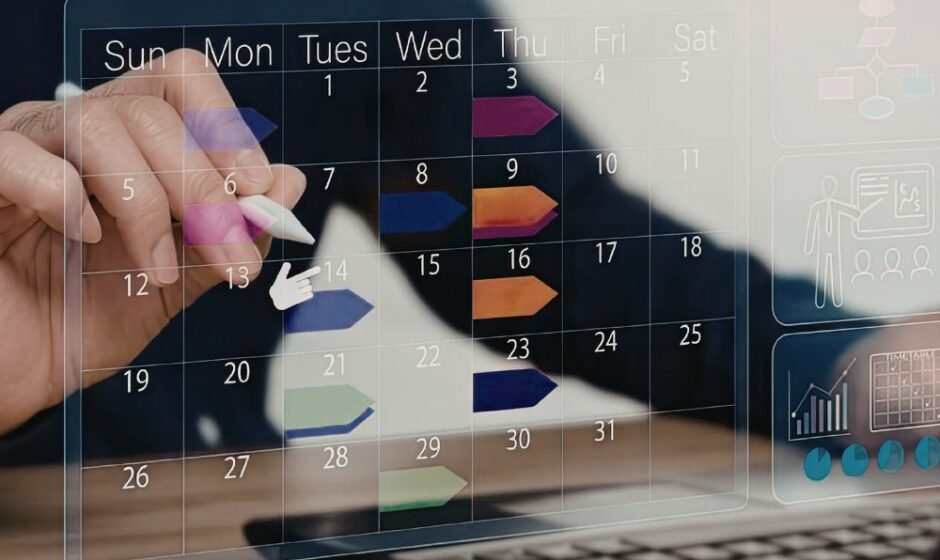

Understanding Time Management
Time management is the process of planning and exercising conscious control over the amount of time spent on specific activities. It involves dividing your time among various tasks to enhance efficiency and productivity. Embracing technology can significantly boost these capabilities, allowing you to schedule tasks, set reminders, and prioritize effectively. Therefore, incorporating tech tools into your routine can lead to a more organized and productive life.
Identifying Your Time Wasters
Before diving into the specific tech tools, it’s essential to identify what activities waste your time. Whether it’s endless scrolling on social media, responding to non-urgent emails, or attending unnecessary meetings, recognizing these distractions can significantly enhance your time management efforts. One effective technique is to use time-tracking applications that record how you spend your hours, thus allowing you to pinpoint areas needing improvement.
Utilizing Time Management Apps
Time management apps can revolutionize your daily productivity. These tools offer various features such as task lists, reminders, and calendar integrations that keep you on track. Below is a list of commonly used time management applications:
| App Name | Features | Platform |
|---|---|---|
| Trello | Task management boards, deadlines, collaborative tools | Web, iOS, Android |
| Todoist | Task lists, reminders, karma points for motivation | Web, iOS, Android |
| Notion | Notes, databases, tasks, and calendar all in one | Web, iOS, Android |
| RescueTime | Time tracking, productivity analytics, website blocking | Web, Mac, Windows, Linux |
Choosing the app that fits your needs depends on how you prefer to organize your tasks. Each application brings unique features that can cater to different working styles.
Setting Smart Goals
Another crucial element in time management is setting SMART goals: Specific, Measurable, Achievable, Relevant, and Time-bound. When you outline objectives using this framework, you gain clarity on what you want to accomplish. For instance, instead of saying “I want to read more,” a SMART goal would be “I will read one chapter of a book every night for the next month.” Many apps can assist in setting and tracking these goals, helping you stay focused and motivated.
Calendar Management
Your calendar is one of the most powerful tools for effective time management. Digital calendars allow you to schedule appointments, set reminders, and share events with others. Applications like Google Calendar or Microsoft Outlook can sync across devices, adapting to various needs. When you effectively utilize calendar features, you can block out time for deep work, ensuring you are dedicated to high-priority tasks without interruptions.
Implementing the Pomodoro Technique
The Pomodoro Technique is a time management method that uses a timer to break work into intervals, traditionally 25 minutes in length, separated by short breaks. There are several apps designed specifically for this technique, such as Focus Keeper and Forest. This technique increases focus and prevents burnout. By using a timer, you will be forced to concentrate on a task within a limited time frame, enhancing your productivity.
Leveraging Productivity Tools
In addition to calendar and task management tools, other productivity applications can optimize your workflow. Tools like Evernote allow you to compile notes, organize documents, and even scan handwritten notes into digital files. Meanwhile, project management software like Asana can assist teams in tracking progress, assigning tasks, and meeting deadlines efficiently. Understanding the various functions these tools offer improves your ability to manage time effectively.
Developing a Digital Decluttering Habit
Digital clutter can hamper your efficiency just as much as physical clutter can. Regularly organizing your digital workspace not only clears distractions but also enhances focus. Spend time each week cleaning your email inbox, organizing files on your computer, and removing unnecessary apps from your devices. By keeping your digital environment tidy, you are more capable of managing time effectively and concentrating on important tasks.
Maintaining Work-Life Balance
Finally, a crucial aspect of time management is maintaining a healthy work-life balance. Technology enables remote work and flexible schedules, but it also blurs the lines between work and personal life. Ensure you set boundaries, designating specific work hours and personal time. Tools like Slack or Microsoft Teams can help in maintaining communication without overwhelming your personal time.
Reflection and Continuous Improvement
To achieve long-term success in time management, it is vital to reflect on your strategies and make necessary adjustments. Regularly assess what is working and what isn’t. Take advantage of data analytics offered by many time management tools to gain insights into your productivity. By iterating on your approach, you’ll foster continuous improvement and adapt your techniques over time.